
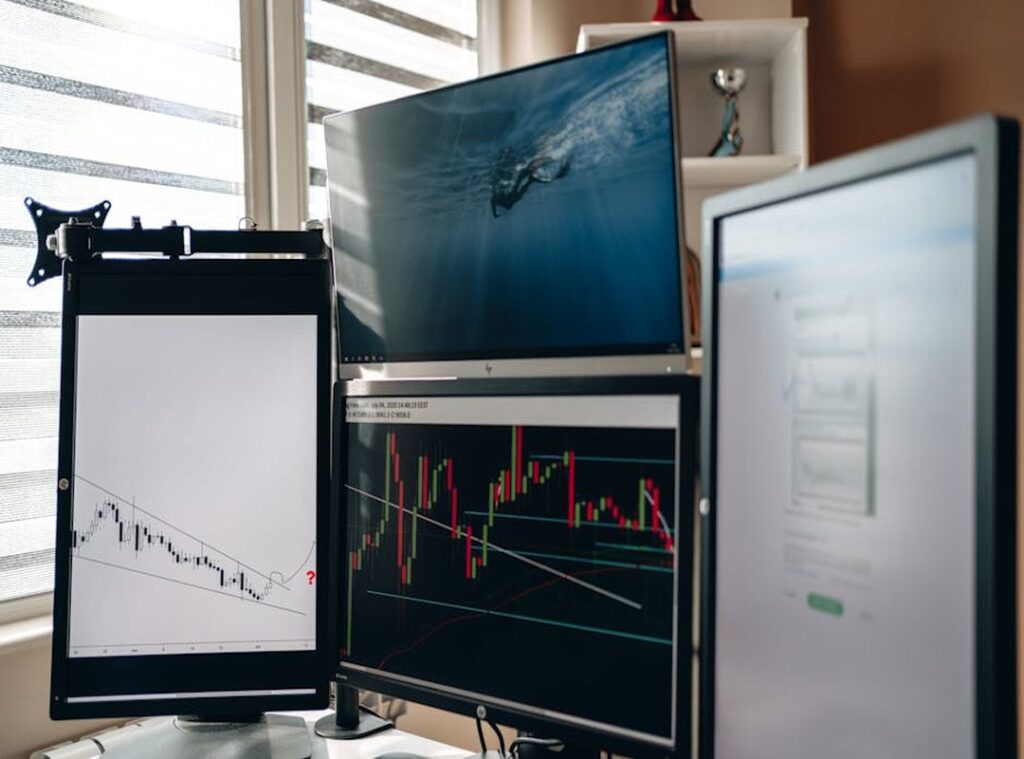
You’re staring at the screen.
And you’re thinking: What the hell do all these buttons even do?
I’ve watched beginners freeze right there. Stuck on the login page. Scared to click anything.
That’s not your fault.
It’s the platform’s fault for making simple things look complicated.
This isn’t another vague “just trust the charts” guide. This is How Trading Works Etrstrading. Laid out step by step.
No fluff. No jargon. Just what happens when you press “buy” and why it matters.
I’ve helped over 200 people place their first real trade on Etrstrading.
Most of them told me the same thing afterward: “I finally get it.”
By the end, you won’t just know where the buttons are. You’ll know what each one does. And why it matters for your money.
Trading Language: What You Actually Need to Know
Before you click “buy,” you need to speak the language. Not fluently. Just enough to avoid losing money on confusion.
Etrstrading gives you access to real markets. But it won’t explain itself.
You have to read the labels.
Assets are what you trade. Forex pairs. Stocks like AAPL.
Crypto like BTC. They’re listed in the left-hand menu. No hidden tabs, no hunting.
Market Order means right now, at whatever price is showing. Limit Order means only if it hits my price. That difference has cost me money.
More than once.
Use? It’s borrowing. You put down $100 to control $1,000 worth of stock.
Margin is how much you must keep in your account to hold that position. And it’s shown live in the order window, right under the price field.
I’m not sure why they call it “use” instead of “borrowing.” Feels like marketing fluff.
It’s just debt with extra risk.
This is where people blow accounts.
Not because the market moved. But because they didn’t know what “20x use” really meant until their margin call hit.
How Trading Works Etrstrading isn’t magic. It’s mechanics. And mechanics break when you skip the manual.
Pro tip: Try a limit order with $10 on EUR/USD first. See how it sits there, waiting. That’s the sound of patience working.
Your First Trade: Let’s Just Do It
I opened Etrstrading for the first time and stared at the blank chart for 90 seconds. You’ll do the same. That’s fine.
Click your watchlist. Pick an asset (say,) AAPL or BTC/USD. One click opens the chart and the order panel.
No extra tabs. No hunting.
That chart? It’s not magic. The big number at the top is the current price.
The line moving left to right shows where it’s been. Upward slope? Recent buyers are winning.
Downward? Sellers are in control. Don’t overthink trend lines yet (just) ask yourself: Is this thing going up or down right now?
Now look at the order ticket. Buy or Sell. Pick one.
Market or Limit (start) with Market. (Limit orders wait. You want speed on trade one.)
Size.
Type “0.1” if you’re trading crypto, or “10” shares if stocks. Small. Real small.
Stop-Loss and Take-Profit aren’t optional. They’re your seatbelt. Set Stop-Loss 2% below entry.
Set Take-Profit 4% above. Yes, that’s tight. Yes, it’s intentional.
You’re learning (not) chasing gains.
Before you click Place Order, check the Open Positions tab. Is it empty? Good.
That means nothing’s live yet. Click. Watch the green confirmation flash.
Then go straight to Open Positions. See your trade there? That’s real.
This is how Trading Guide Etrstrading walks you through it (step) by step, no jargon, no fluff.
You just made a trade. It didn’t crash the system. You didn’t lose $5,000.
Congratulations.
Now close the position manually after 30 minutes (even) if it’s green. Get used to exiting.
Most people skip that part.
Don’t be most people.
Your first trade isn’t about profit. It’s about proving to yourself the interface works. That you can do it.
Go ahead (try) again tomorrow. With the same size. Same rules.
Then change one thing. Just one.
That’s how you learn.
Your Dashboard Isn’t Decorative (It’s) Your Trading Nerve Center

I open Etrstrading every morning. Not to scroll. Not to wait.
To act.
Knowing where things live cuts seconds off every trade. Seconds add up. Seconds keep you calm when price moves fast.
The Watchlist Panel is where you win or lose before the first click.
You drag assets in. You drag them out. No menus.
No confirmation popups. Just grab and drop.
I keep BTC, ETH, and one altcoin I’m watching (nothing) more. Too many symbols = noise. Noise = bad decisions.
You can reorder by dragging. You can right-click to hide or rename. You don’t need a tutorial.
You just try it once.
Does it save your layout? Yes. But only if you’re logged in.
Guest mode forgets everything. (Don’t trade guest mode. Seriously.)
The search bar in the Watchlist isn’t magic. It’s fast. Type “SOL” and it jumps there.
No filters. No tabs. Just SOL.
You’ll notice the little “+” button top-right. That’s how you add new assets. Click it.
Type. Hit enter. Done.
No “onboarding flow.” No “welcome wizard.” Just you and the market.
This isn’t about making trading fun. It’s about making it repeatable.
How Trading Works Etrstrading starts here. With what you see first.
If you’re setting up wallet integration, check the Coinbase wallet review etrstrading for real setup pain points most docs ignore.
Your dashboard isn’t a feature. It’s your reflex. Train it like one.
You Already Get It
I’ve shown you How Trading Works Etrstrading (no) fluff, no jargon, no pretend urgency.
You know what moves prices. You see how orders match. You understand why spreads widen when nobody’s watching.
That confusion you felt last week? Gone.
The hesitation before clicking “buy”? Smaller now.
Good. Because trading isn’t magic. It’s mechanics.
And you just learned the gears.
Most guides leave you guessing about execution. Or worse. They hide the real costs.
Not this one.
You wanted clarity. You got it.
Now stop reading. Open your platform. Place one small trade (just) to test the rhythm.
Do it today. Not tomorrow. Not after “more research.”
Your first real trade is waiting.
Go make it count.
 Redanarra Smiths writes the kind of market diversification approaches content that people actually send to each other. Not because it's flashy or controversial, but because it's the sort of thing where you read it and immediately think of three people who need to see it. Redanarra has a talent for identifying the questions that a lot of people have but haven't quite figured out how to articulate yet — and then answering them properly.
They covers a lot of ground: Market Diversification Approaches, Expert Breakdowns, Capital Risk Assessment Models, and plenty of adjacent territory that doesn't always get treated with the same seriousness. The consistency across all of it is a certain kind of respect for the reader. Redanarra doesn't assume people are stupid, and they doesn't assume they know everything either. They writes for someone who is genuinely trying to figure something out — because that's usually who's actually reading. That assumption shapes everything from how they structures an explanation to how much background they includes before getting to the point.
Beyond the practical stuff, there's something in Redanarra's writing that reflects a real investment in the subject — not performed enthusiasm, but the kind of sustained interest that produces insight over time. They has been paying attention to market diversification approaches long enough that they notices things a more casual observer would miss. That depth shows up in the work in ways that are hard to fake.
Redanarra Smiths writes the kind of market diversification approaches content that people actually send to each other. Not because it's flashy or controversial, but because it's the sort of thing where you read it and immediately think of three people who need to see it. Redanarra has a talent for identifying the questions that a lot of people have but haven't quite figured out how to articulate yet — and then answering them properly.
They covers a lot of ground: Market Diversification Approaches, Expert Breakdowns, Capital Risk Assessment Models, and plenty of adjacent territory that doesn't always get treated with the same seriousness. The consistency across all of it is a certain kind of respect for the reader. Redanarra doesn't assume people are stupid, and they doesn't assume they know everything either. They writes for someone who is genuinely trying to figure something out — because that's usually who's actually reading. That assumption shapes everything from how they structures an explanation to how much background they includes before getting to the point.
Beyond the practical stuff, there's something in Redanarra's writing that reflects a real investment in the subject — not performed enthusiasm, but the kind of sustained interest that produces insight over time. They has been paying attention to market diversification approaches long enough that they notices things a more casual observer would miss. That depth shows up in the work in ways that are hard to fake.