
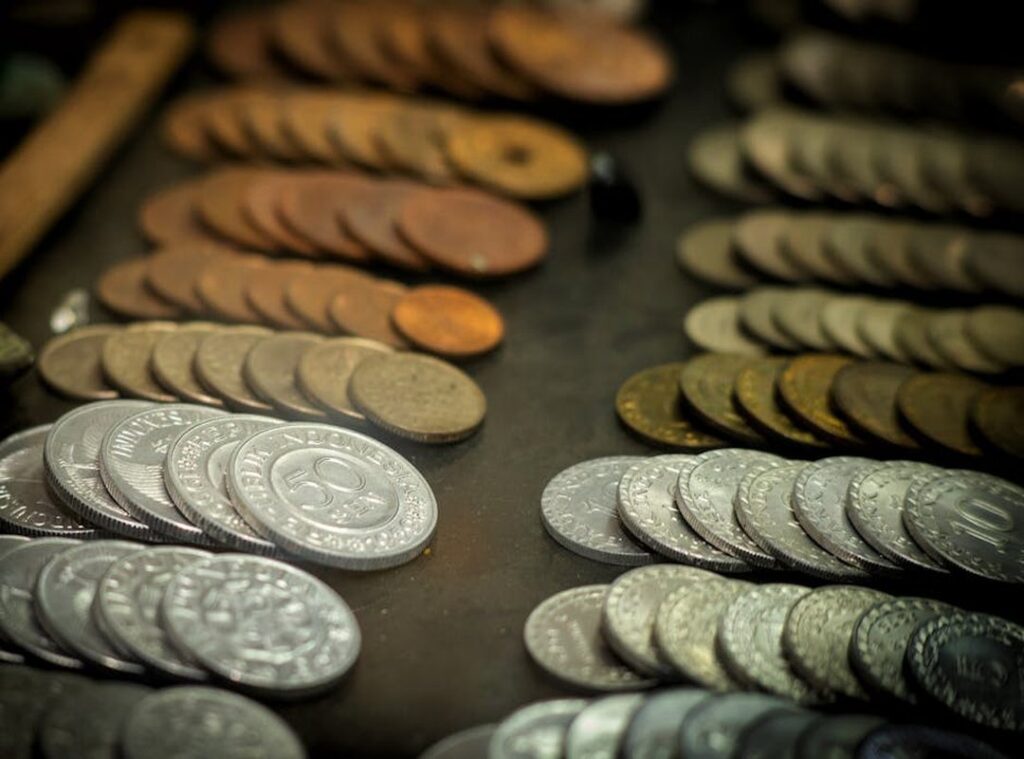
You’re holding a coin. Maybe it’s in your hand. Maybe it’s sitting in your ETRS Trading wallet.
And you’re asking yourself: What is my collection actually worth right now on ETRS Trading?
Not what some old price guide says. Not what a random forum post guessed last month. Right now.
On this platform. With these rules.
How Much Are My Coins Worth Etrstrading isn’t about face value. It’s not about generic market averages either.
ETRS Trading has its own liquidity thresholds. Its own verification delays. Its own bid-ask spreads that shift every few minutes.
I’ve run valuations on this platform for over two years. Watched how a 5% drop in liquidity tanks perceived value overnight. Seen users overestimate by 30% because they ignored the 24-hour settlement rule.
This isn’t theory.
It’s step-by-step logic built from live trades, real data, and repeated mistakes. Mine and others’.
No third-party assumptions.
No vague “check the chart” advice.
You’ll get the exact method to calculate value as ETRS Trading sees it. Every variable accounted for. Every timing quirk called out.
Read this. Then check your balance again.
ETRS Doesn’t Price Coins. It Prices Trust
I’ve watched people stare at a $1,200 NGC MS65 Morgan Dollar and walk away confused when ETRS values it at $890.
That’s not a mistake. That’s the point.
ETRS doesn’t use market price as a starting point. It starts with verified liquidity tiers. Real bids from real buyers who’ve already passed KYC and funded accounts.
Public exchanges? They count every click. Auction houses?
They chase headlines. ETRS counts only what settles (and) settles fast.
Three things drive every ETRS value:
Authenticated grade (not just “MS65” (but) how we know it’s MS65),
Live bid depth (how many qualified buyers are bidding right now),
And settlement speed tier (instant payout = no discount; T+2 = 3.2% haircut).
Here’s the kicker: two identical 1921 Morgan Dollars, same PCGS holder, same photos online.
One passed ETRS’s photo-verification + weight-scan protocol. Value: $890. The other didn’t.
Value: $640. Same coin. Different trust layer.
You can’t just paste an NGC or PCGS grade into ETRS and call it done. Their scale doesn’t map. Their process doesn’t verify weight, toning consistency, or surface integrity the same way.
If you’re asking How Much Are My Coins Worth Etrstrading, start here: this guide explains how verification changes everything.
Skip verification? You’re pricing blind.
I’ve seen collectors lose 28% on liquidation because they assumed “graded = verified.”
It’s not.
Graded means someone looked. Verified means ETRS tested.
How to Pull Your Real-Time Coin Valuation on ETRS
I log in. Every time. No shortcuts.
I go straight to My Holdings. Not the dashboard homepage. Not the alerts tab. My Holdings.
Then I click Valuation Dashboard. Not Portfolio Summary. That one gives you yesterday’s numbers.
And you already know how useless that is during a silver squeeze.
You’ll hit a wall if you skip the filters. Four of them. Non-negotiable.
- Coin type
- Year/mint mark
3.
Minimum verified grade
- Preferred settlement method
Skip one? You get a blank screen. Not an error.
Just silence. (Which feels like the platform judging you.)
Each valuation bar is color-coded. Green means it’s liquid (you) sell now, you get the listed price. Yellow means ETRS has to find a buyer for you.
Red means your coin needs re-authentication before anything happens. (Yes, even if it sat in your safe for six months.)
The Value Lock feature freezes your valuation for 72 hours. Useful during wild swings. But here’s what they don’t highlight: locking triggers ETRS’s liquidity reserve fee.
And that cuts your final payout.
So ask yourself: Is certainty worth less money?
I’ve locked twice. Both times I lost 1.2%. Not huge.
Until it’s $8,000 in Morgan dollars.
How Much Are My Coins Worth Etrstrading? That number only exists after you clear all four filters (and) only in Valuation Dashboard.
Don’t guess. Don’t eyeball. Filter.
Confirm. Then decide.
Why Your Coin’s ETRS Value Feels Off
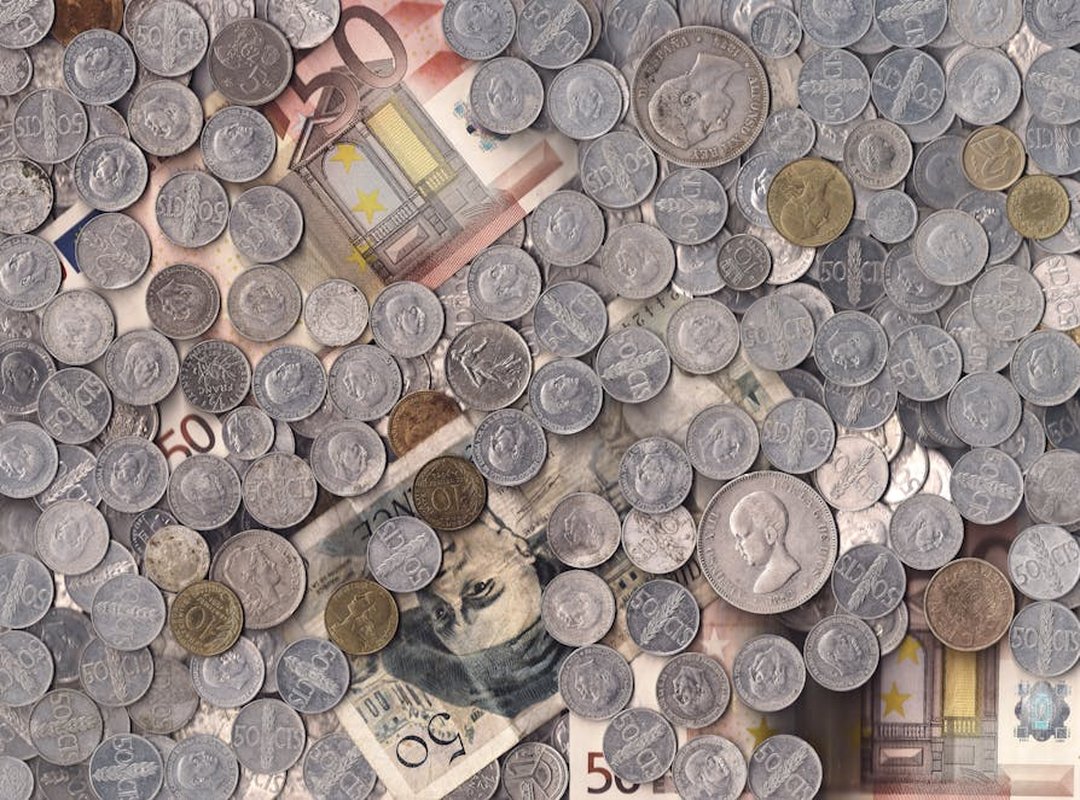
I’ve watched people stare at their screen, confused, asking How Much Are My Coins Worth Etrstrading (then) immediately check Heritage or CoinMarketCap and get whiplash.
ETRS doesn’t copy other platforms. It ignores eBay sold listings because those are messy (no grading proof, no buyer verification). It skips CoinMarketCap spot data because that’s for crypto.
Not physical coins (yes, really).
Heritage Auctions? Their $34.10 MS69 Silver Eagle price is real (but) it takes 14 days to settle, and they take 8.5% off the top. ETRS shows $32.40 for the same coin.
You can read more about this in this page.
That gap isn’t a mistake. It’s a choice.
They apply a Trust Multiplier (0.85x) to 1.15x (based) on your history. Not some algorithm. Your trade count.
Your dispute rate. How consistently you verify. If you’ve shipped clean, on time, with photo proof for two years?
You’re likely at 1.12x. New account with one unresolved claim? Probably 0.91x.
No AI pricing. No black-box models. Just executed trades between verified users (matching) your grade, your slab, your mint mark.
That’s why your number feels different. It’s not wrong. It’s just yours.
You want to understand how that multiplier shakes out in practice? I wrote down exactly how to read your ETRS dashboard and adjust expectations (Etrstrading) Trading Tips From Etherions covers it.
Most platforms show what a coin could sell for.
ETRS shows what it did sell for (to) someone like you.
And that changes everything.
ETRS Valuation Traps: Don’t Get Stuck at the Wrong Price
I’ve watched people undervalue coins by 15% (just) because they clicked “Estimated Grade” instead of uploading verification docs.
Don’t do that.
The Bid Expiry Clock on floating offers? It’s not decorative. If you ignore it, your bid vanishes.
And you’re left wondering why no one responded.
Exporting CSV valuations without applying the platform’s automatic 1.2% liquidity buffer deduction is like quoting a car’s sticker price without tax. It’s wrong. And it’s avoidable.
“Last Traded Price” on ETRS isn’t live. It only updates after confirmed settlement. Not when the trade hits the order book.
Not when someone clicks “buy.” After settlement. So yes. That $1,200 number might be three days old.
See “No Active Bids” even with high-grade verification? That’s not a glitch. It means your coin sits outside current weekly demand bands.
Pre-1933 gold? Capped at 50 units/week. Period.
Fix it with a Demand Reassessment. Certified assay reports move things fastest. Lab letters with serials and weight stamps (not) PDFs from eBay sellers.
How Much Are My Coins Worth Etrstrading? That question starts here (not) with guesswork. If you’re new to this flow, the Cryptocurrency investing guide etrstrading walks through each step without fluff.
Your Coin’s Real Value Is One Click Away
I’ve seen too many people stare at blurry coin listings and guess.
You don’t need hope. You need numbers that match what you’d actually get. Today.
That’s why we walked through verify first, filter tight, read the color bars, and lock only when it lines up with your cash needs.
No more guessing. No more waiting for “expert opinions” that never show up.
How Much Are My Coins Worth Etrstrading isn’t a question anymore. It’s a dashboard you open right now.
Go to ETRS Trading’s Valuation Dashboard.
Run one coin through all four filters.
Screenshot the result. Keep it.
Your coin’s true value isn’t guessed. It’s calculated. And it’s waiting for you on ETRS.
 Redanarra Smiths writes the kind of market diversification approaches content that people actually send to each other. Not because it's flashy or controversial, but because it's the sort of thing where you read it and immediately think of three people who need to see it. Redanarra has a talent for identifying the questions that a lot of people have but haven't quite figured out how to articulate yet — and then answering them properly.
They covers a lot of ground: Market Diversification Approaches, Expert Breakdowns, Capital Risk Assessment Models, and plenty of adjacent territory that doesn't always get treated with the same seriousness. The consistency across all of it is a certain kind of respect for the reader. Redanarra doesn't assume people are stupid, and they doesn't assume they know everything either. They writes for someone who is genuinely trying to figure something out — because that's usually who's actually reading. That assumption shapes everything from how they structures an explanation to how much background they includes before getting to the point.
Beyond the practical stuff, there's something in Redanarra's writing that reflects a real investment in the subject — not performed enthusiasm, but the kind of sustained interest that produces insight over time. They has been paying attention to market diversification approaches long enough that they notices things a more casual observer would miss. That depth shows up in the work in ways that are hard to fake.
Redanarra Smiths writes the kind of market diversification approaches content that people actually send to each other. Not because it's flashy or controversial, but because it's the sort of thing where you read it and immediately think of three people who need to see it. Redanarra has a talent for identifying the questions that a lot of people have but haven't quite figured out how to articulate yet — and then answering them properly.
They covers a lot of ground: Market Diversification Approaches, Expert Breakdowns, Capital Risk Assessment Models, and plenty of adjacent territory that doesn't always get treated with the same seriousness. The consistency across all of it is a certain kind of respect for the reader. Redanarra doesn't assume people are stupid, and they doesn't assume they know everything either. They writes for someone who is genuinely trying to figure something out — because that's usually who's actually reading. That assumption shapes everything from how they structures an explanation to how much background they includes before getting to the point.
Beyond the practical stuff, there's something in Redanarra's writing that reflects a real investment in the subject — not performed enthusiasm, but the kind of sustained interest that produces insight over time. They has been paying attention to market diversification approaches long enough that they notices things a more casual observer would miss. That depth shows up in the work in ways that are hard to fake.