
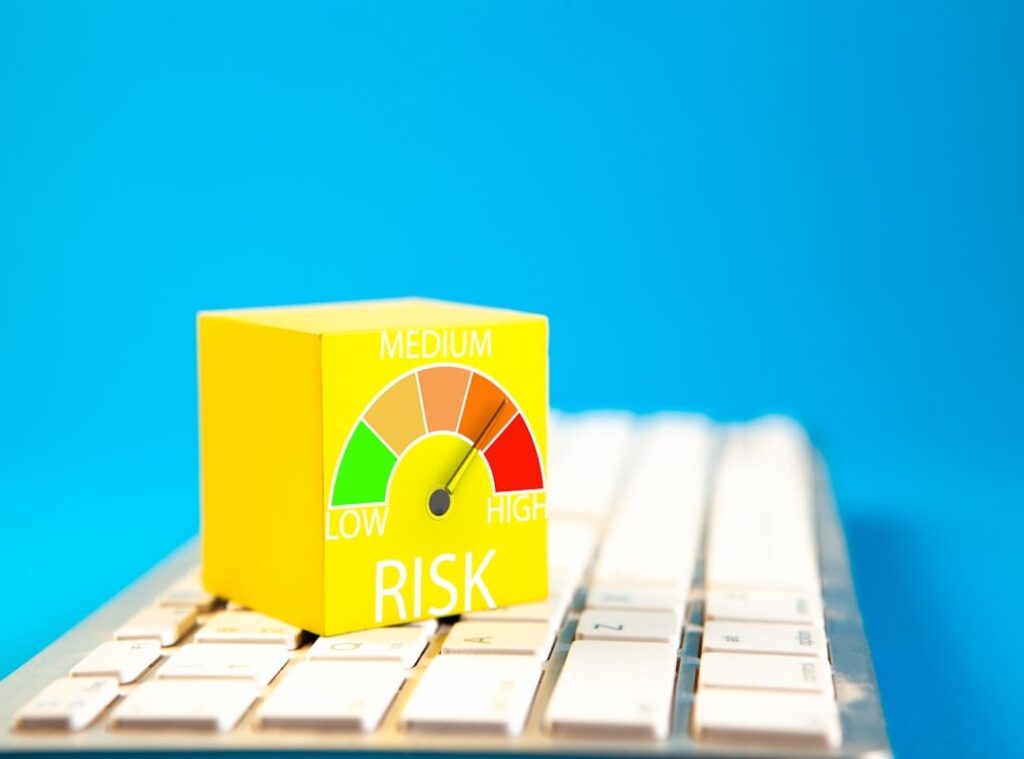
Picture this: you’re checking your investments, and the market’s on a rollercoaster again. It’s that gut-wrenching anxiety when things get unpredictable. Ever wonder if there’s a way to see this coming? market risk forecasting steps in.
It’s like having a weather forecast for your investments, helping you dodge the storms and set sail when the skies are clear.
But what exactly does this mean? Simply, it’s a way to predict market risks so you don’t end up blindsided. For investors, it’s key.
You want to know where your money’s going, right? And you want the odds in your favor. After all, avoiding nasty surprises is half the battle.
In this article, you’ll get practical takeaways into prediction methods. No fluff. Just real, usable info.
We’ve got you covered with tried-and-tested techniques. So stick around, because by the end, you’ll be better equipped to tackle market volatility head-on.
Market Risks: What You Need to Know
Market risks are everywhere. There’s interest rate risk, where changes in rates can wreak havoc on investments. Then there’s equity risk, the one that keeps investors up at night (you know the feeling).
And let’s not forget currency risk, which makes international markets a rollercoaster. So why should you care about these risks? Because understanding them is key for any investor.
Without this knowledge, you might as well be throwing darts at a board.
People often think they can predict market movements. Spoiler: they can’t. This is where market risk forecasting comes into play.
It’s about assessing potential risks, not pretending you’ve got a crystal ball. Many believe that diversification alone will save them from all risks. Well, it helps, but it’s not a magic bullet.
You need to know what you’re up against to make informed decisions.
Ever heard of top risk assessment models explained? They’re tools to help you gauge these risks. While they won’t eliminate risk, they give you a fighting chance. (Pro tip: Don’t rely solely on one model (mix) it up.) As the world keeps spinning, risks evolve.
Stay informed, stay flexible, and never stop learning.
Predicting Market Risks: Tools and Techniques
Market risk forecasting isn’t just a buzzword. It’s about knowing when the financial tide might turn. If you’re not using the right tools, you’re flying blind. Statistical models are the backbone here, giving us patterns from past market data.
These models crunch numbers faster than I can type this. But are they enough? Nope.
Sometimes, models and data get it wrong (remember 2008?).
Then there’s AI. It’s like the cool kid in finance now, processing oceans of data for predictions we couldn’t even dream of before. But can AI predict everything?
Hardly. It’s a tool, not a crystal ball.
Historical data analysis is another big deal. Looking at past trends helps us avoid repeating mistakes. Think of it as learning from history (without the boring lectures).
This way, technology isn’t just about speed; it’s about accuracy.
Real-world example? Let’s talk about the 2020 oil market crash. Analysts using complex algorithms saw the drop coming weeks ahead.
They saved billions by making the right moves. Impressive, right? Yet, while tech is great, human intuition still plays a role.
We can’t ignore the role tech plays in market risk forecasting. But here’s the kicker: tech needs us as much as we need it. You can’t just plug in numbers and expect magic.
It takes skill and a bit of flair to interpret data right.
In short, predicting market risks is a mix of old-school savvy and modern tech. It’s that balance that makes all the difference.
Shielding Your Investments: The Power of Diversification
Diversifying your portfolio is like having a safety net. Why put all your eggs in one basket when you can spread them out? I’ve seen too many folks panic during market downturns because they didn’t diversify.
It’s a common mistake.
Think of diversification as market risk forecasting in action. You’re not just guessing; you’re preparing. By holding a mix of assets.
Stocks, bonds, and maybe a pinch of real estate (you’re) better positioned to handle market swings. It’s not foolproof, of course, but it’s darn close.
Ever heard of someone losing it all because they bet big on a single stock? Ouch. That’s a classic case of ignoring the power of diversification.
Let’s get practical. Suppose you have a portfolio heavy on tech stocks. When tech takes a hit, your whole portfolio could suffer.
A well-diversified portfolio can cushion the blow when the market throws a curveball. Who doesn’t want that?
But if you’ve got some consumer goods and healthcare stocks in there, you’re less exposed. It’s like having multiple lifelines (who wouldn’t want that?).
Want more on this? Check out Implementing Risk Management Strategies. It’s a solid resource for those serious about protecting their investments.
One real-world example? During the 2008 financial crisis, those with diversified portfolios didn’t feel the pinch as hard as those who didn’t. Pro tip: Always keep an eye on the balance of your portfolio.
Adjust when necessary. After all, markets change, and so should your plan.
Market Trends: Predicting the Future of Risk
You know, keeping an eye on market trends isn’t just for stockbrokers in suits. It’s for anyone who wants to get a handle on market risk forecasting. When I started following market trends, I saw how economic indicators could flash warnings like a neon sign in Times Square.
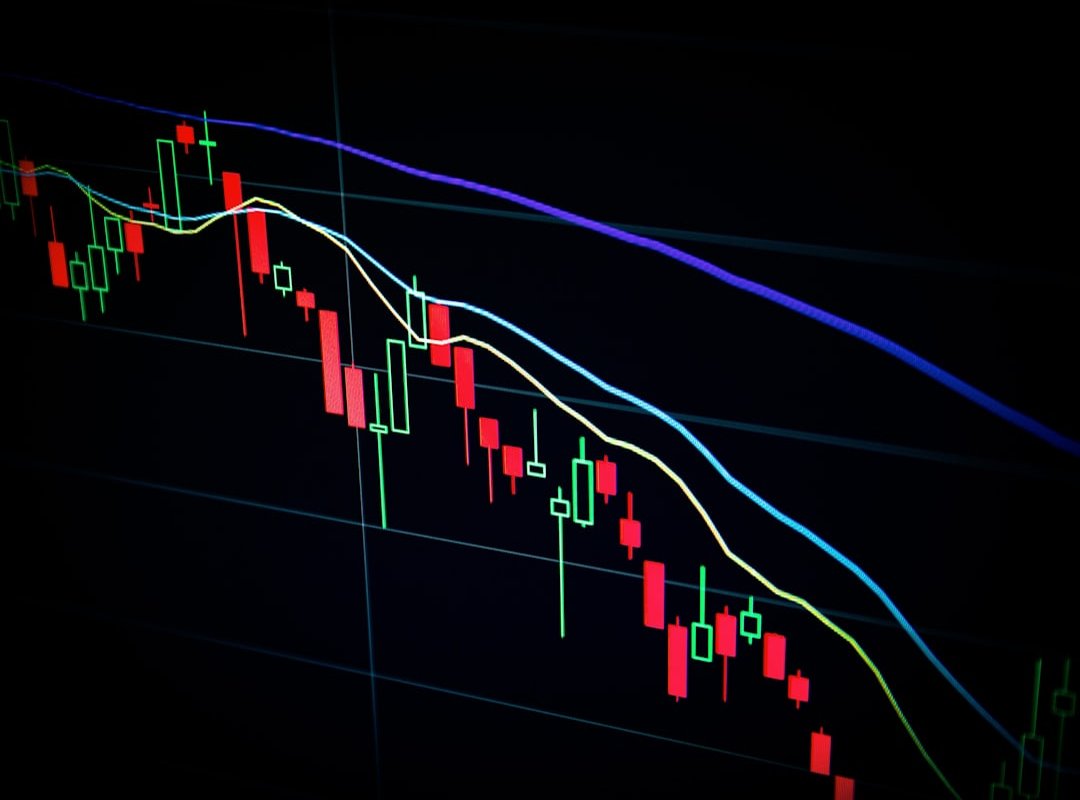
You ever notice how a dip in employment rates or a rise in inflation can mess with the markets? These signs can often signal potential risks lurking around the corner.
Why should you care? Because being informed could mean the difference between a savvy move and a costly mistake. I’d say it’s like paying attention to weather reports before a road trip.
If you know a storm’s coming, you’ll pack an umbrella, right?
For those who want to stay in the loop, there are resources out there that’ll give you the lowdown on market changes. Financial news sites, analyst reports, even some podcasts can be your new best friends. Pro tip: Set up alerts on your phone to catch breaking news as it happens.
Don’t get caught unprepared. Stay informed, stay ahead. Does it take some effort?
Sure. But isn’t a little effort worth avoiding unnecessary risks? I’d say so.
Market Risk Prediction: Navigating the Storm
Market risk forecasting is tricky, isn’t it? One major challenge is data accuracy. You’d think in today’s tech world we’d get this right, but nope.
Models are another beast. They’re limited, often failing to capture real-world complexities. And then…bam!
A global event hits, throwing everything out the window. Remember 2008? No one saw that coming.
But don’t despair. Keep learning. Adapt.
It’s the only way to stay ahead. Trust your gut, but also trust in continuous learning. I’ve found that being flexible and open to new information is key.
This is key. Without good data, predictions tank. It’s like trying to drive with a blindfold.
Pro tip: Always question your data sources. Are they reliable? Are they current?
In the end, market risk forecasting is about being proactive. You can’t predict everything, but you can prepare. Stay sharp, and you’ll get through even the roughest waters.
Secure Your Financial Future Today
Understanding and predicting market risks is key. We’ve covered techniques to help your investment journey. But don’t wait.
Dive deeper into market risk forecasting to safeguard your assets. The answers you seek are out there. Consult experts at cwbiancamarket.net.
You’re one step away from financial peace. Take action now.
 Norvain Droshar writes the kind of market diversification approaches content that people actually send to each other. Not because it's flashy or controversial, but because it's the sort of thing where you read it and immediately think of three people who need to see it. Norvain has a talent for identifying the questions that a lot of people have but haven't quite figured out how to articulate yet — and then answering them properly.
They covers a lot of ground: Market Diversification Approaches, Financial Buzz, Expert Breakdowns, and plenty of adjacent territory that doesn't always get treated with the same seriousness. The consistency across all of it is a certain kind of respect for the reader. Norvain doesn't assume people are stupid, and they doesn't assume they know everything either. They writes for someone who is genuinely trying to figure something out — because that's usually who's actually reading. That assumption shapes everything from how they structures an explanation to how much background they includes before getting to the point.
Beyond the practical stuff, there's something in Norvain's writing that reflects a real investment in the subject — not performed enthusiasm, but the kind of sustained interest that produces insight over time. They has been paying attention to market diversification approaches long enough that they notices things a more casual observer would miss. That depth shows up in the work in ways that are hard to fake.
Norvain Droshar writes the kind of market diversification approaches content that people actually send to each other. Not because it's flashy or controversial, but because it's the sort of thing where you read it and immediately think of three people who need to see it. Norvain has a talent for identifying the questions that a lot of people have but haven't quite figured out how to articulate yet — and then answering them properly.
They covers a lot of ground: Market Diversification Approaches, Financial Buzz, Expert Breakdowns, and plenty of adjacent territory that doesn't always get treated with the same seriousness. The consistency across all of it is a certain kind of respect for the reader. Norvain doesn't assume people are stupid, and they doesn't assume they know everything either. They writes for someone who is genuinely trying to figure something out — because that's usually who's actually reading. That assumption shapes everything from how they structures an explanation to how much background they includes before getting to the point.
Beyond the practical stuff, there's something in Norvain's writing that reflects a real investment in the subject — not performed enthusiasm, but the kind of sustained interest that produces insight over time. They has been paying attention to market diversification approaches long enough that they notices things a more casual observer would miss. That depth shows up in the work in ways that are hard to fake.