

400 pesos mexicanos a chilenos is currently [Current Date] worth [Exact Conversion Amount in CLP].
This guide isn’t just about giving you a number. It’s about breaking down the exchange rate and making sure you understand it.
We’ll cover what influences the MXN to CLP rate, the best ways to exchange your money, and how to dodge those pesky hidden fees.
If you’re traveling, shopping online, or sending money between Mexico and Chile, this info is crucial.
You can trust that by the end of this, you’ll have all the details you need to make a smart conversion.
A Closer Look at the MXN to CLP Exchange Rate
Let’s talk about the mid-market rate. It’s the ‘real’ exchange rate without any fees, used by banks and transfer services. Simple, right?
Here’s a quick conversion table for common denominations:
- 1 MXN = 7.5 CLP
- 50 MXN = 375 CLP
- 100 MXN = 750 CLP
- 400 MXN = 3000 CLP
- 1000 MXN = 7500 CLP
Ever wonder why the rate you see on Google is different from what you get at a bank or currency exchange kiosk? It’s all about the spread, or commission, and think of it like a retail markup.
The store buys a product for one price and sells it to you for more. Banks do the same with currency.
So, when you see 400 pesos mexicanos a chilenos, remember that the actual amount you get will be less due to this markup.
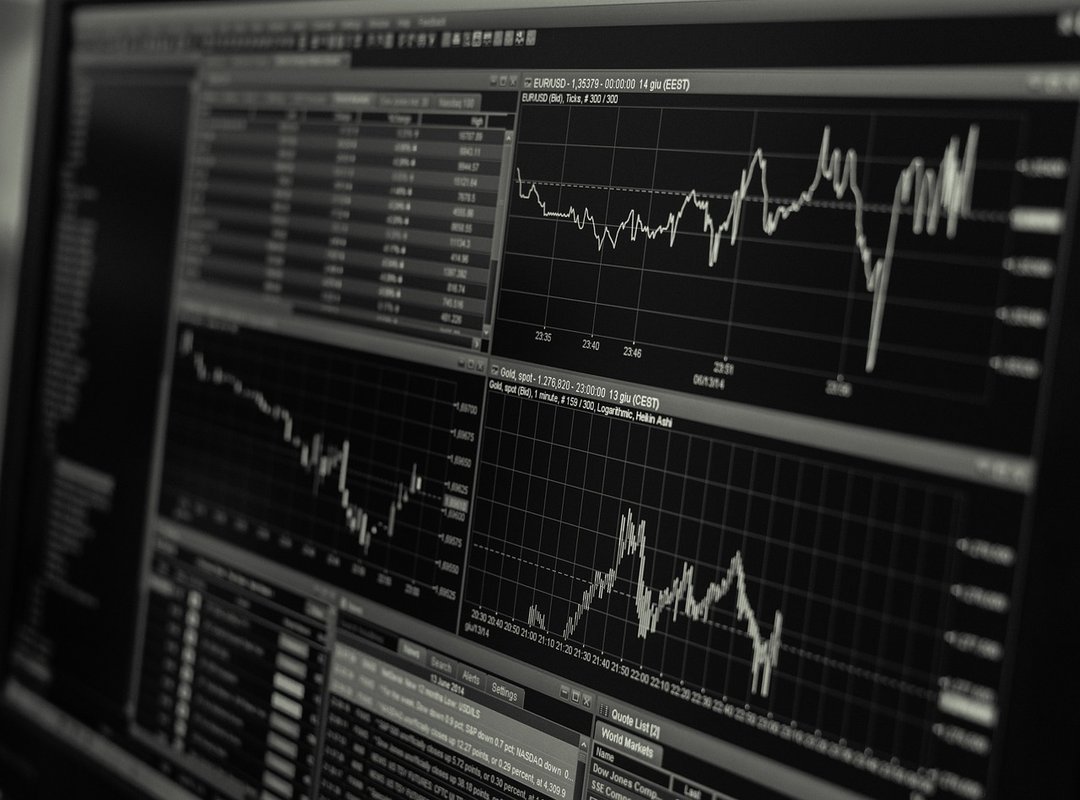
Looking at the past 30 days, the MXN/CLP rate has been pretty volatile. Some days it spikes, other days it drops. It’s like riding a rollercoaster, but with your money.
My advice? Always use the mid-market rate as a baseline. That way, you can judge if you’re getting a good deal or if someone’s trying to take a bigger cut than they should.
What Makes the Peso Exchange Rate Fluctuate?
Exchange rates aren’t set in stone. They move based on a lot of factors, especially the economic health of both Mexico and Chile. When one country’s economy is doing well, its currency tends to strengthen.
Central banks play a big role too. Banxico in Mexico and Banco Central de Chile make decisions about interest rates. Higher interest rates can attract more foreign investment, which usually makes the currency stronger.
Major exports also impact the exchange rate. For Mexico, oil prices are a big deal. When oil prices go up, the Mexican peso often gets stronger.
For Chile, it’s all about copper. High copper prices can boost the Chilean peso.
Inflation is another key factor. It affects how much you can buy with your money. If inflation is high in one country, its currency might weaken compared to another.
This directly impacts the exchange rate between the two countries.
Political stability and foreign investment matter a lot. When investors feel confident, they’re more likely to put their money into a country. This boosts the currency.
On the flip side, political unrest can scare investors away, weakening the currency.
Pro tip: Keep an eye on these factors. If you see that 400 pesos mexicanos a chilenos is changing, try to understand why. Is it because of a change in oil or copper prices? 400 pesos mexicanos a chilenos
Or maybe a new interest rate decision from the central bank? Knowing this can help you make better financial decisions.
The Smartest Ways to Exchange Currency and Avoid Fees
I remember the first time I traveled abroad. I was in Mexico, and I needed to exchange 400 pesos mexicanos a chilenos. I went to the nearest airport kiosk, thinking it would be the most convenient option.
Boy, was I wrong.
The rates were terrible. I felt like I was being ripped off. Since then, I’ve learned a lot about exchanging money, and I want to share that with you.
Method 1: Banks
Banks are secure, no doubt about it. But they often have poor exchange rates and high fixed fees. It’s like paying for peace of mind, but at what cost?
Method 2: Airport Kiosks
Convenient, yes. But almost always the most expensive option with the worst rates. Trust me, you don’t want to go this route unless you absolutely have to.
Method 3: Online Money Transfer Services
Services like Wise and Remitly offer excellent rates close to the mid-market and transparent fees. The downside? You need to set up an account, which can be a bit of a hassle if you’re in a rush.
Method 4: No-foreign-transaction-fee Credit or Debit Card
This is often the best method for purchases abroad. You get good rates and no extra fees. However, it’s not ideal for withdrawing large amounts of cash.
ATMs can still hit you with hefty fees.
Always look at the total amount the recipient will get, after all fees and exchange rate markups are applied. It’s the only way to know if you’re getting a fair deal.
Common Questions About Exchanging Pesos
Is it better to exchange money before I travel or when I arrive? Generally, it’s cheaper to use a fee-free card upon arrival or an online service beforehand. This way, you avoid the high fees and poor rates at currency exchange booths.
What are the currency symbols for Mexican and Chilean pesos? The symbols are MXN and CLP, respectively, and simple, right?
Can I use US dollars in Mexico or Chile? While sometimes accepted in tourist areas, you always get a better deal using the local currency. It’s just more practical and cost-effective.
How can I track the MXN to CLP exchange rate? I recommend using a reliable currency converter app or website with rate alerts. That way, you can stay on top of the 400 pesos mexicanos a chilenos and make informed decisions.
Honestly, exchange rates can be unpredictable. But with the right tools, you can navigate them more confidently.
Making Your Money Go Further
Knowing the current number for 400 MXN to CLP is only the first step. It’s crucial to understand that saving money on conversions comes from choosing the right method and understanding the fees involved.
Online transfer services and fee-free cards are the most cost-effective choices for most people. They offer better rates and lower fees, making your money go further.
Before your next trip or transfer, take five minutes to compare your options. It could save you a significant amount.
Feel empowered and confident about making your next currency exchange.
 Alfred Madsenolders is the kind of writer who genuinely cannot publish something without checking it twice. Maybe three times. They came to market diversification approaches through years of hands-on work rather than theory, which means the things they writes about — Market Diversification Approaches, Financial Buzz, Expert Breakdowns, among other areas — are things they has actually tested, questioned, and revised opinions on more than once.
That shows in the work. Alfred's pieces tend to go a level deeper than most. Not in a way that becomes unreadable, but in a way that makes you realize you'd been missing something important. They has a habit of finding the detail that everybody else glosses over and making it the center of the story — which sounds simple, but takes a rare combination of curiosity and patience to pull off consistently. The writing never feels rushed. It feels like someone who sat with the subject long enough to actually understand it.
Outside of specific topics, what Alfred cares about most is whether the reader walks away with something useful. Not impressed. Not entertained. Useful. That's a harder bar to clear than it sounds, and they clears it more often than not — which is why readers tend to remember Alfred's articles long after they've forgotten the headline.
Alfred Madsenolders is the kind of writer who genuinely cannot publish something without checking it twice. Maybe three times. They came to market diversification approaches through years of hands-on work rather than theory, which means the things they writes about — Market Diversification Approaches, Financial Buzz, Expert Breakdowns, among other areas — are things they has actually tested, questioned, and revised opinions on more than once.
That shows in the work. Alfred's pieces tend to go a level deeper than most. Not in a way that becomes unreadable, but in a way that makes you realize you'd been missing something important. They has a habit of finding the detail that everybody else glosses over and making it the center of the story — which sounds simple, but takes a rare combination of curiosity and patience to pull off consistently. The writing never feels rushed. It feels like someone who sat with the subject long enough to actually understand it.
Outside of specific topics, what Alfred cares about most is whether the reader walks away with something useful. Not impressed. Not entertained. Useful. That's a harder bar to clear than it sounds, and they clears it more often than not — which is why readers tend to remember Alfred's articles long after they've forgotten the headline.