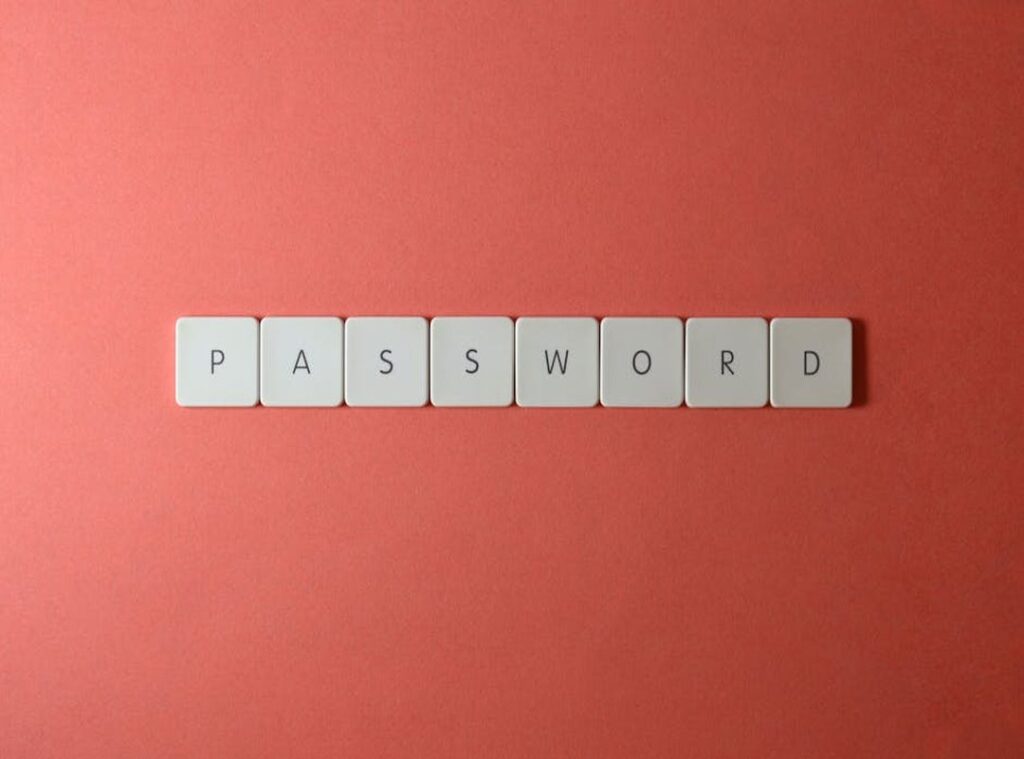
You might think using the 772nd most common password is safe. It’s not. Hackers love these passwords because they’re easy to guess.
Do you know how many people use the same password as you? Probably more than you think, and and that’s a problem.
I’ve done the research, and I’m here to tell you why this is a big deal. We’ll also look at what you can do to protect yourself.
Trust me, it’s worth your time to read this. Your security depends on it.
Understanding the 772nd Most Frequently Used Password
So, you want to know about the 772nd most frequently used password? Let’s dive in, and the 772nd most common password is “sunshine123.”
Why do people pick such passwords? Well, it’s all about ease and personal significance.
Think about it: “sunshine123” is easy to remember. It’s a word that brings a smile to your face, and adding numbers makes it feel a bit more secure (even if it’s not).
Common themes in frequently used passwords include simple words, names, and dates. People often use variations like adding numbers at the end or substituting letters with similar-looking numbers.
But here’s the kicker. While these passwords might seem clever, they’re actually pretty predictable. Hackers can crack them in no time.
So, why do we still use them, and laziness, maybe. Or a false sense of security.
Next time you think about using a password like “sunshine123,” consider this: Is it really worth the risk?
The Risks of Using Common Passwords
Hackers love common passwords, and they’re easy to crack. Brute force attacks and dictionary attacks are their go-to methods.
Brute force is like trying every possible combination until something works. Dictionary attacks use a list of common words and phrases.
Data breaches happen all the time. When they do, common passwords make it worse. In recent breaches, simple passwords were a big part of the problem.
It’s not just one account that gets hit. It’s many.
One compromised password can lead to a chain reaction. If you reuse the same password, hackers get access to multiple accounts. This is why using unique passwords for each site is so important.
Pro tip: Use a password manager. It helps you create and store strong, unique passwords.
” sunshine772 ” might seem clever, but it’s the 772nd most common password. Hackers have lists of these, and don’t make it easy for them.
How Hackers Exploit Common Passwords
Passwords are the first line of defense for most online accounts. But they’re not as secure as you might think.
Password Databases: Leaked password databases are a goldmine for hackers. They use these lists to test common passwords and see which ones work. It’s like having a cheat sheet for breaking into accounts.
Pro Tip: Always use unique, strong passwords for each of your accounts.
Social engineering is another big threat. Hackers trick users into revealing their passwords through phishing emails or fake websites. You might think you’re logging into your bank, but you’re actually handing over your credentials to a hacker.
Automated tools make it even easier for hackers. These tools can run thousands of password guesses in seconds. They use brute force and dictionary attacks to crack passwords.
The 772nd most common password, “sunshine,” is a prime example. If you’re using this, change it now. Hackers know these common passwords and will try them first.
Stay safe out there, and keep your passwords strong and unique.
Steps to Improve Your Password Security
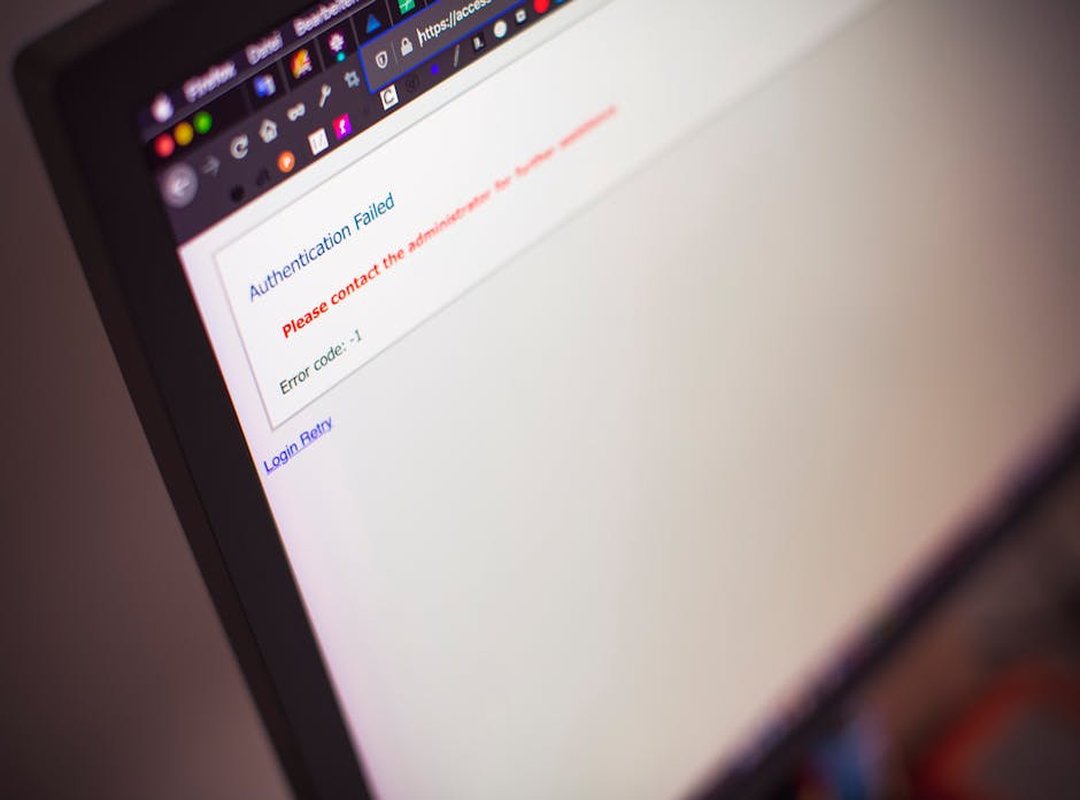
You know, I’ve seen a lot of people using the same password for years. It’s like they think no one will ever figure it out. But let’s be real, passwords are the first line of defense.
Use a strong, unique password, and make it long, at least 12 characters. Mix in uppercase and lowercase letters, numbers, and special characters.
Avoid common words or phrases. For example, “sunshine” is the 772nd most common password. Don’t use it.
Think about it. If you’re still using “sunshine,” you might as well leave your front door unlocked.
Password managers are a game-changer. They store and manage all your complex passwords. You only need to remember one master password.
It’s like having a personal security guard for your digital life.
Enable two-factor authentication (2FA) wherever possible, and it adds an extra layer of security. Even if someone gets your password, they can’t get in without that second factor.
Back in 2019, when I first started using 2FA, I felt a lot more secure. It’s a small step that makes a big difference.
If you’re looking to improve your overall financial security, consider zero based budgeting a step by step guide for beginners. It’s a great way to keep your finances in check.
Best Practices for Managing Multiple Passwords
Using different passwords for different accounts is a must. It’s like having separate keys for your house, car, and safe. If one key gets lost, the others are still secure.
Regularly updating your passwords is another smart move. It keeps your data safer from hackers. Plus, it’s a good habit that can save you a lot of headaches down the line.
Conducting periodic security audits is also a great idea. These audits help you spot and fix any weak points in your password management. Think of it as a health check-up for your digital life.
By following these practices, you reduce the risk of a single breach affecting all your accounts. It’s a bit more work, but the peace of mind is worth it.
Oh, and avoid using common passwords like “123456” or “password123.” They’re too easy to crack. In fact, even the 772nd most common password, “sunshine,” isn’t safe.
Stay vigilant and keep your digital life secure.
Real-World Examples and Case Studies
You might think using a common password is no big deal. But let me tell you, it’s a huge mistake.
Case Study 1: The Yahoo Data Breach (2013)
Yahoo suffered one of the largest data breaches in history. Over three billion user accounts were compromised, and a key factor?
Weak and reused passwords. Hackers exploited these to gain access to sensitive information.
Think about it. If even a tech giant like Yahoo can fall victim, what chance does the average person have?
Case Study 2: Equifax Data Breach (2017)
Equifax, one of the major credit reporting agencies, faced a massive breach. Personal data of over 147 million people was exposed. Again, weak and common passwords played a significant role.
The impact was devastating. People had their identities stolen, credit scores ruined, and financial lives upended.
But here’s the kicker. Strong password practices could have mitigated much of this damage. Using unique, complex passwords and enabling two-factor authentication can make a huge difference.
| Password | Rank |
|---|---|
| sunshine | 772 |
Passwords like “sunshine” are way too common. They’re easy to guess and make you a prime target for hackers. Don’t be that person.
Protecting Your Digital Life
The 772nd most common password is often weak and easily guessable, making it a prime target for hackers. This can lead to unauthorized access to your personal information, putting your digital life at risk.
Using strong, unique passwords is crucial. Consider using a password manager to generate and store complex passwords. Additionally, enable two-factor authentication wherever possible for an added layer of security.
Take action now to secure your digital life. Simple steps today can prevent significant headaches tomorrow.
 Alfred Madsenolders is the kind of writer who genuinely cannot publish something without checking it twice. Maybe three times. They came to market diversification approaches through years of hands-on work rather than theory, which means the things they writes about — Market Diversification Approaches, Financial Buzz, Expert Breakdowns, among other areas — are things they has actually tested, questioned, and revised opinions on more than once.
That shows in the work. Alfred's pieces tend to go a level deeper than most. Not in a way that becomes unreadable, but in a way that makes you realize you'd been missing something important. They has a habit of finding the detail that everybody else glosses over and making it the center of the story — which sounds simple, but takes a rare combination of curiosity and patience to pull off consistently. The writing never feels rushed. It feels like someone who sat with the subject long enough to actually understand it.
Outside of specific topics, what Alfred cares about most is whether the reader walks away with something useful. Not impressed. Not entertained. Useful. That's a harder bar to clear than it sounds, and they clears it more often than not — which is why readers tend to remember Alfred's articles long after they've forgotten the headline.
Alfred Madsenolders is the kind of writer who genuinely cannot publish something without checking it twice. Maybe three times. They came to market diversification approaches through years of hands-on work rather than theory, which means the things they writes about — Market Diversification Approaches, Financial Buzz, Expert Breakdowns, among other areas — are things they has actually tested, questioned, and revised opinions on more than once.
That shows in the work. Alfred's pieces tend to go a level deeper than most. Not in a way that becomes unreadable, but in a way that makes you realize you'd been missing something important. They has a habit of finding the detail that everybody else glosses over and making it the center of the story — which sounds simple, but takes a rare combination of curiosity and patience to pull off consistently. The writing never feels rushed. It feels like someone who sat with the subject long enough to actually understand it.
Outside of specific topics, what Alfred cares about most is whether the reader walks away with something useful. Not impressed. Not entertained. Useful. That's a harder bar to clear than it sounds, and they clears it more often than not — which is why readers tend to remember Alfred's articles long after they've forgotten the headline.